Salt marsh field season summer 2027
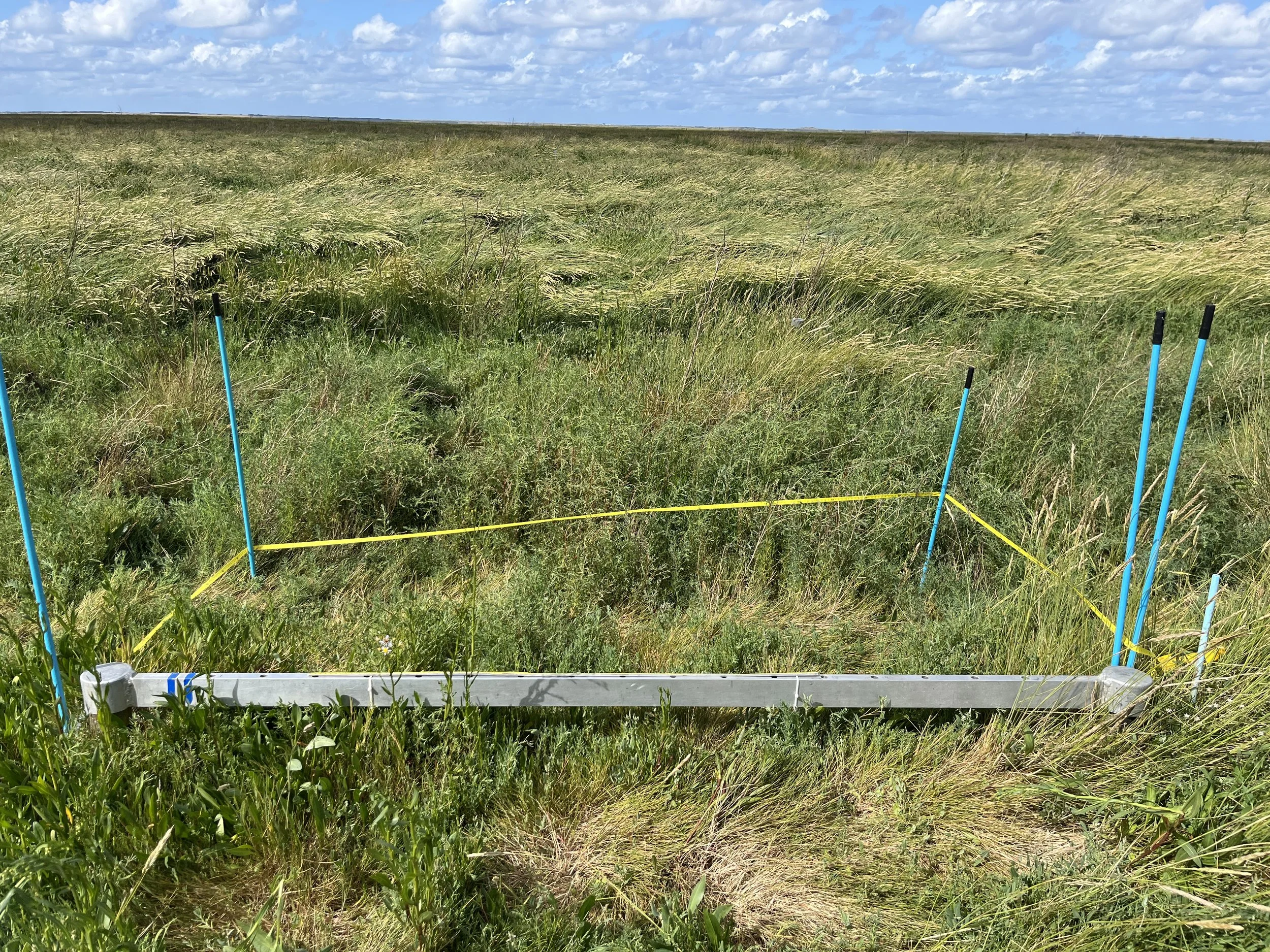
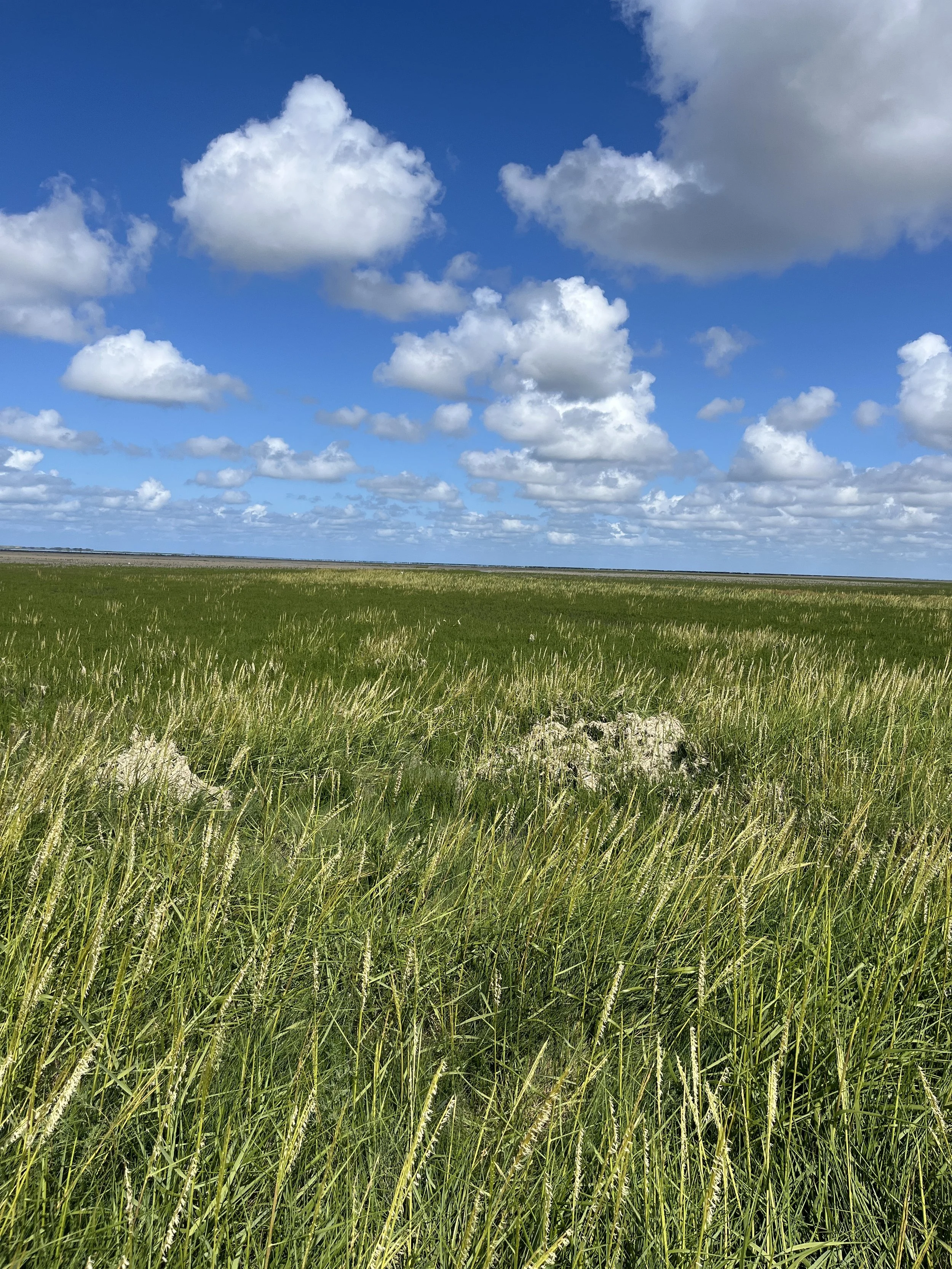
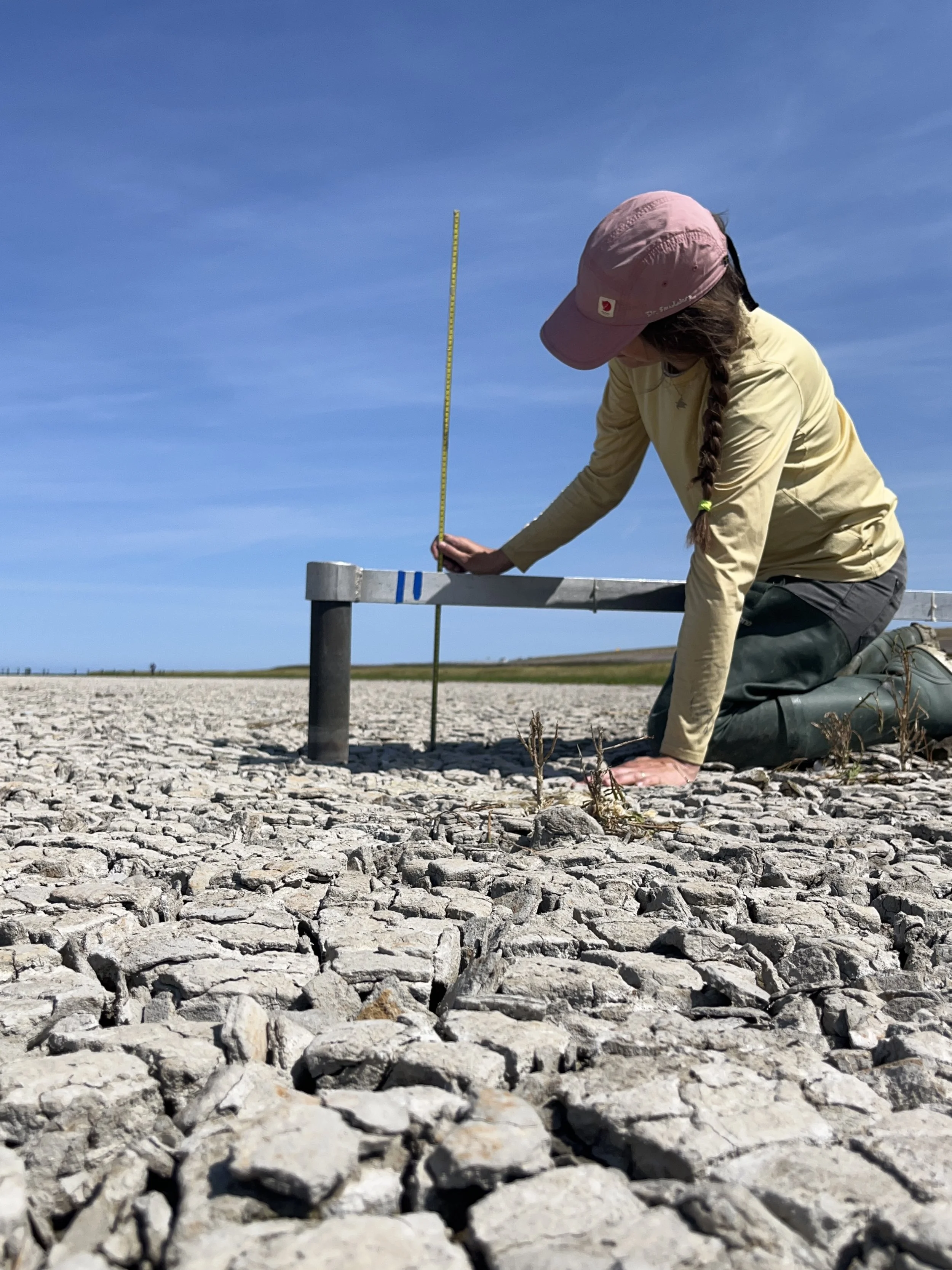
My first field trip this summer was to the mainland coast of Friesland and Groningen, where we visited our permanent plots measuring sedimentation rates and vegetation diversity. We were lucky with beautiful weather and extreme low tides facilitating our work.
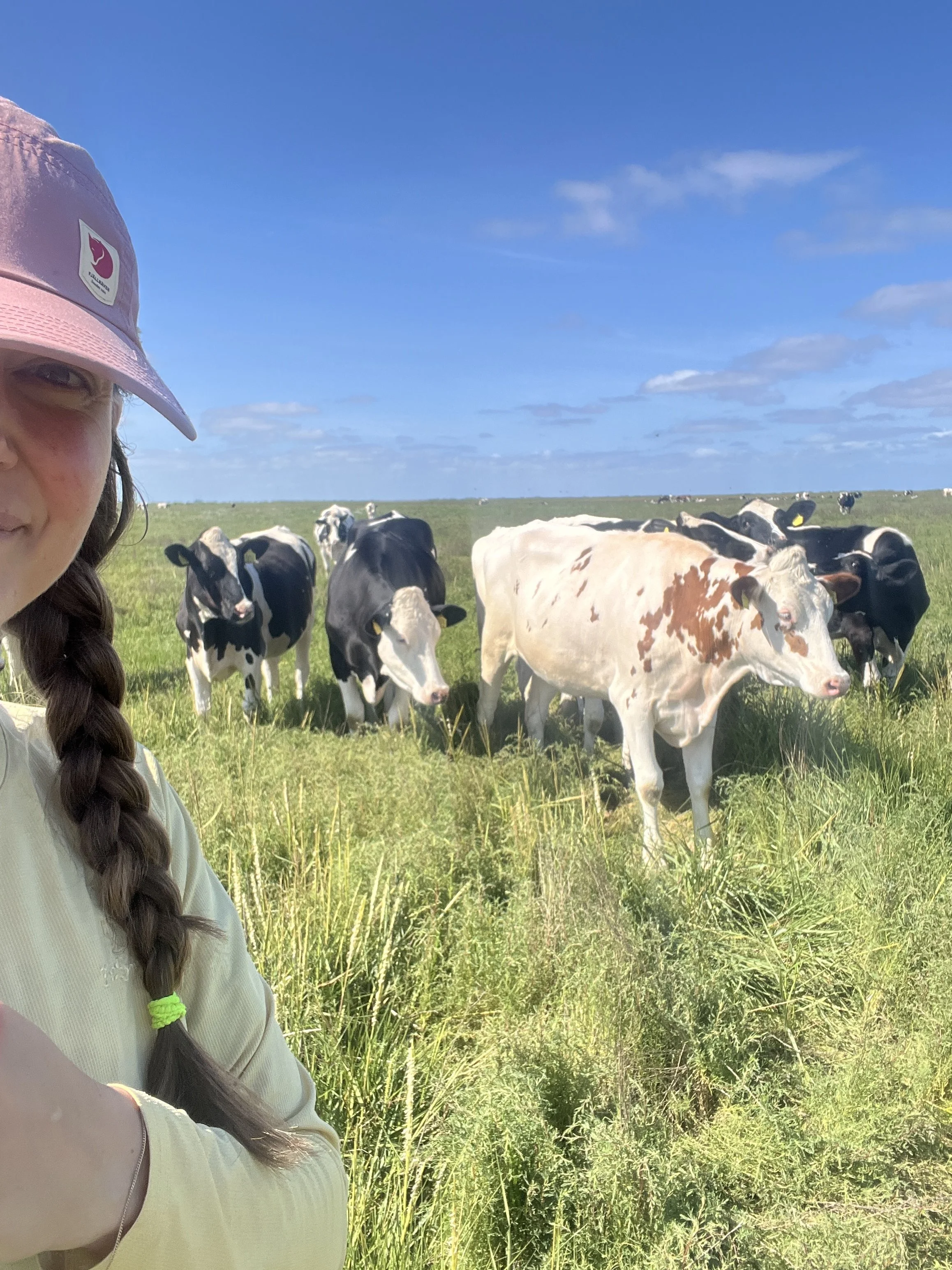
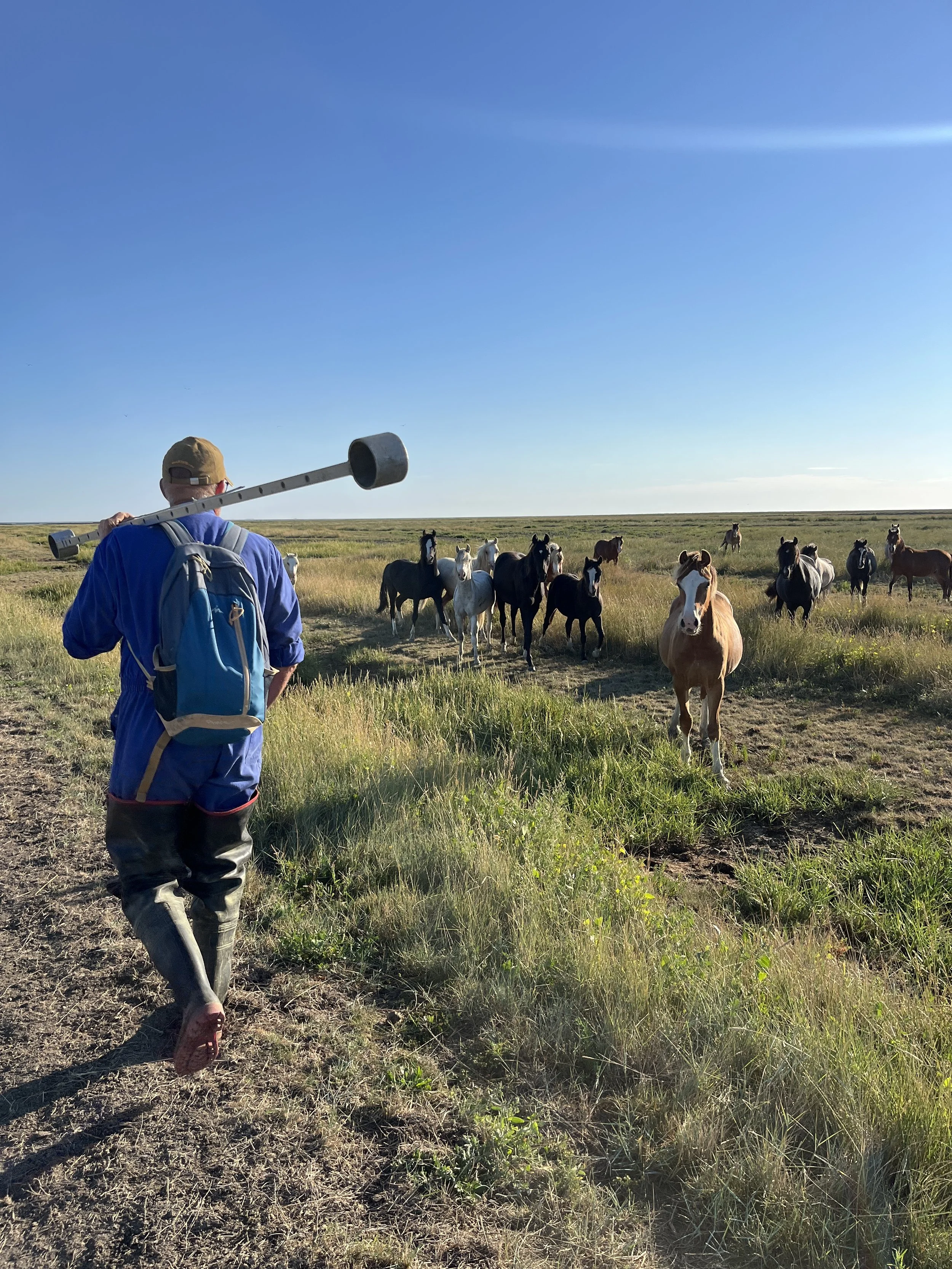
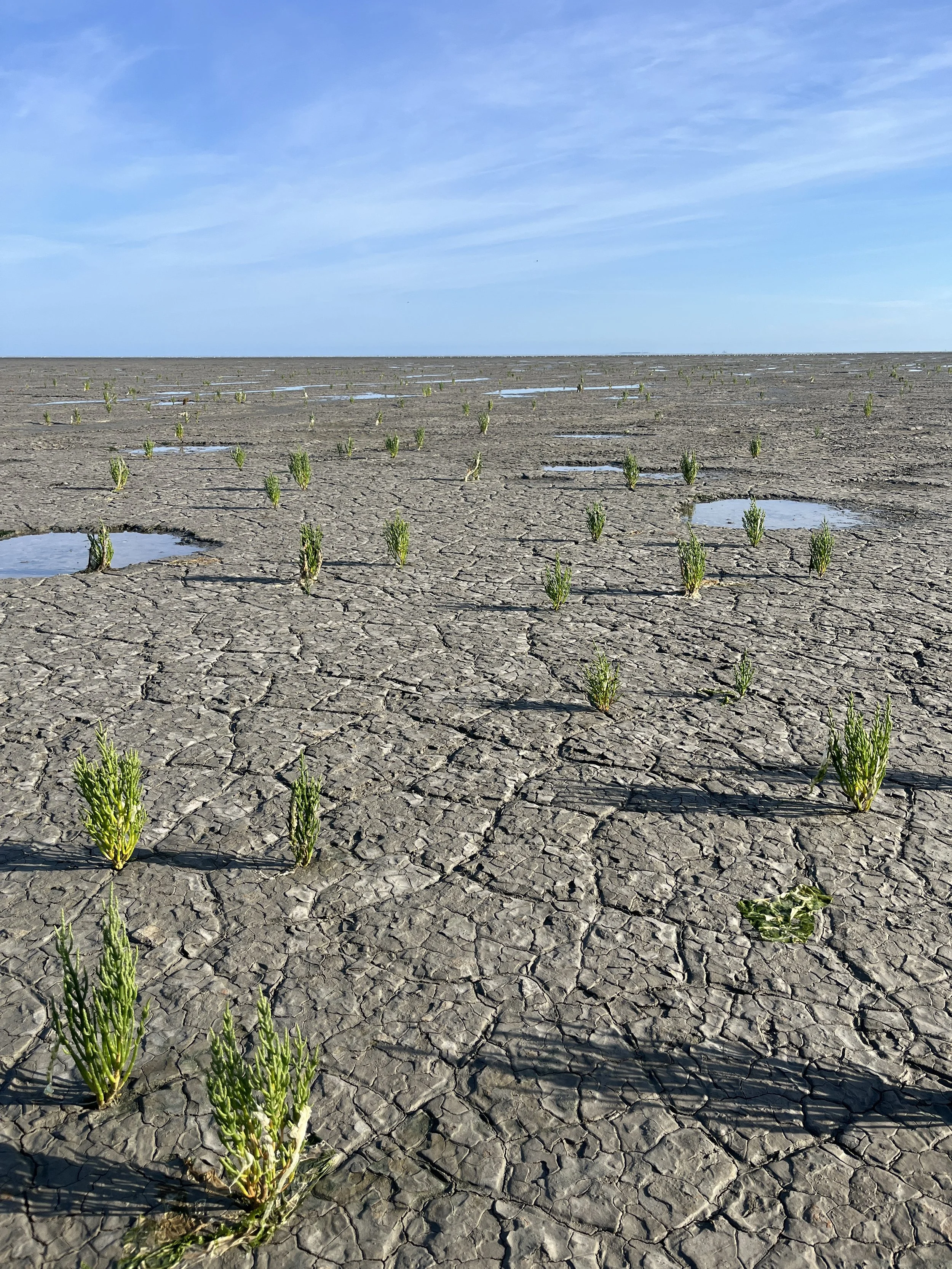
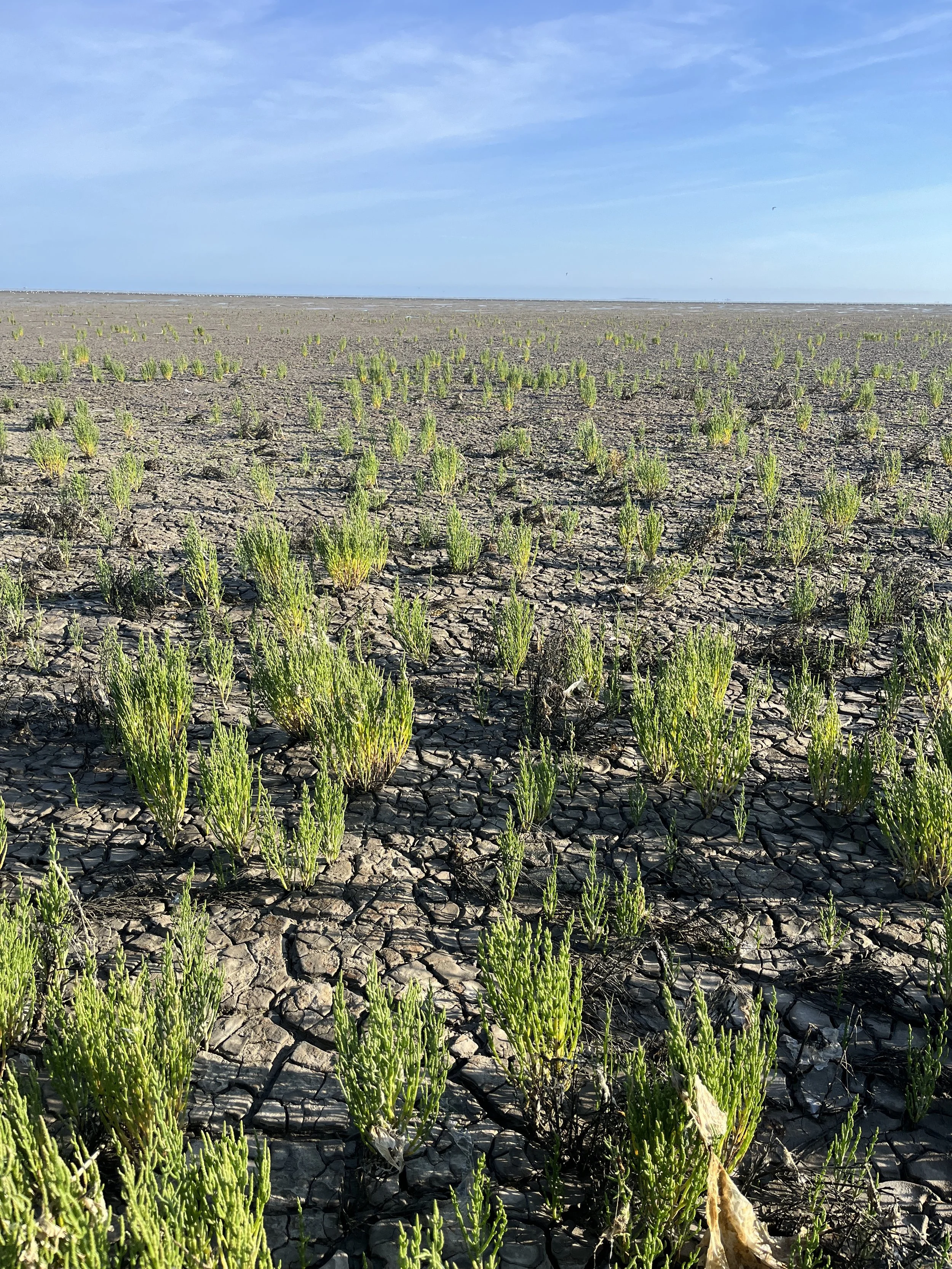
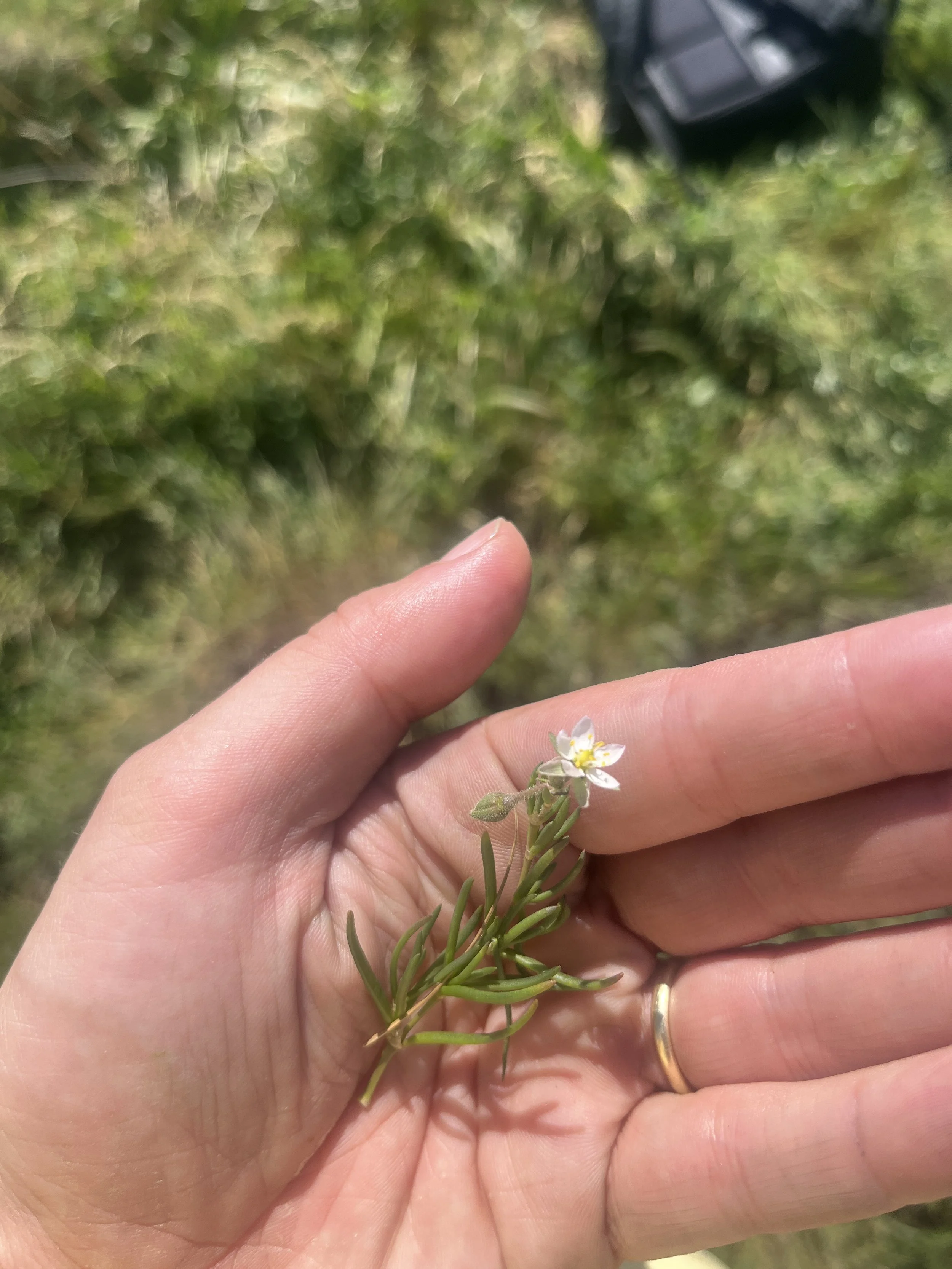
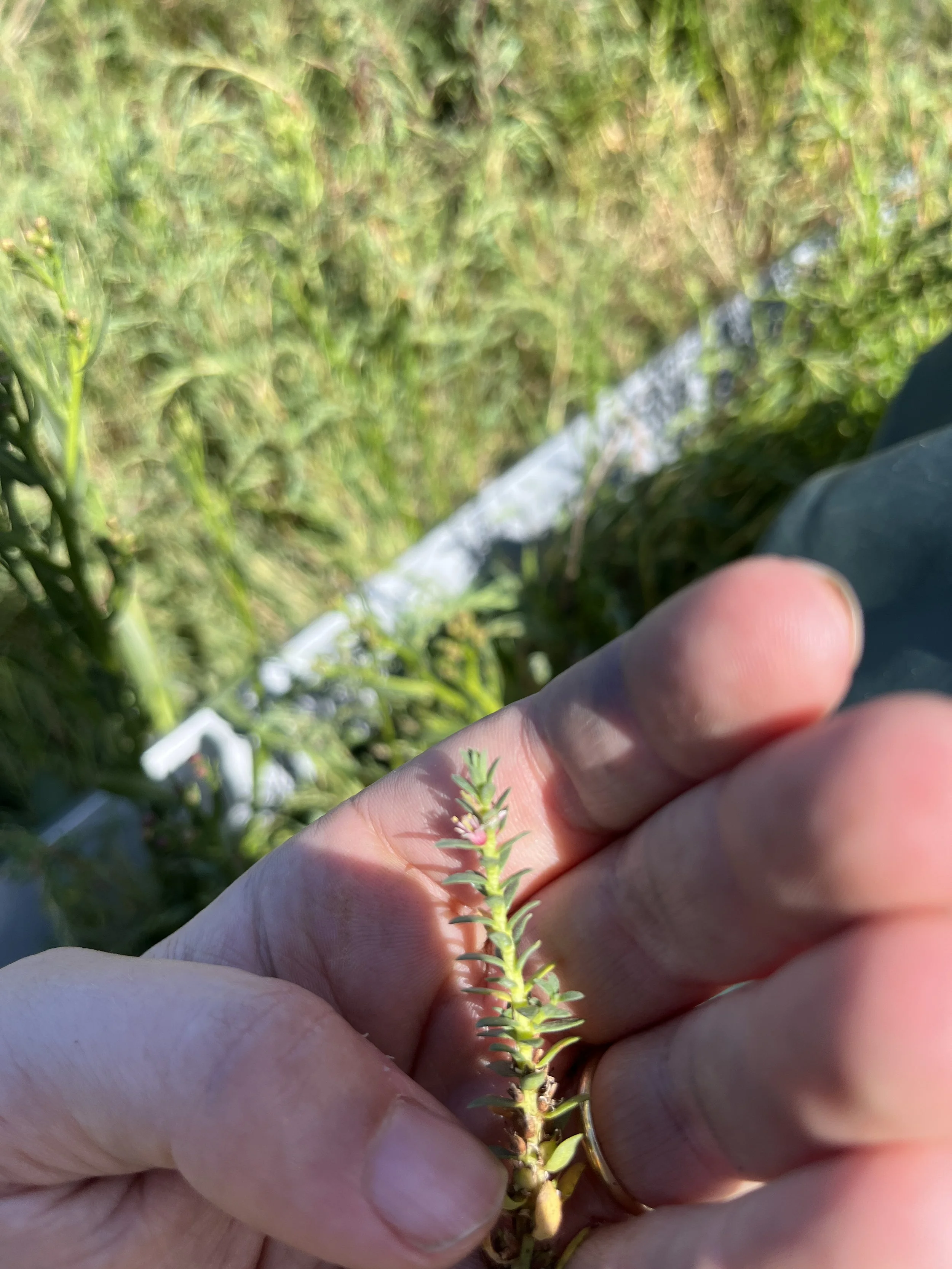
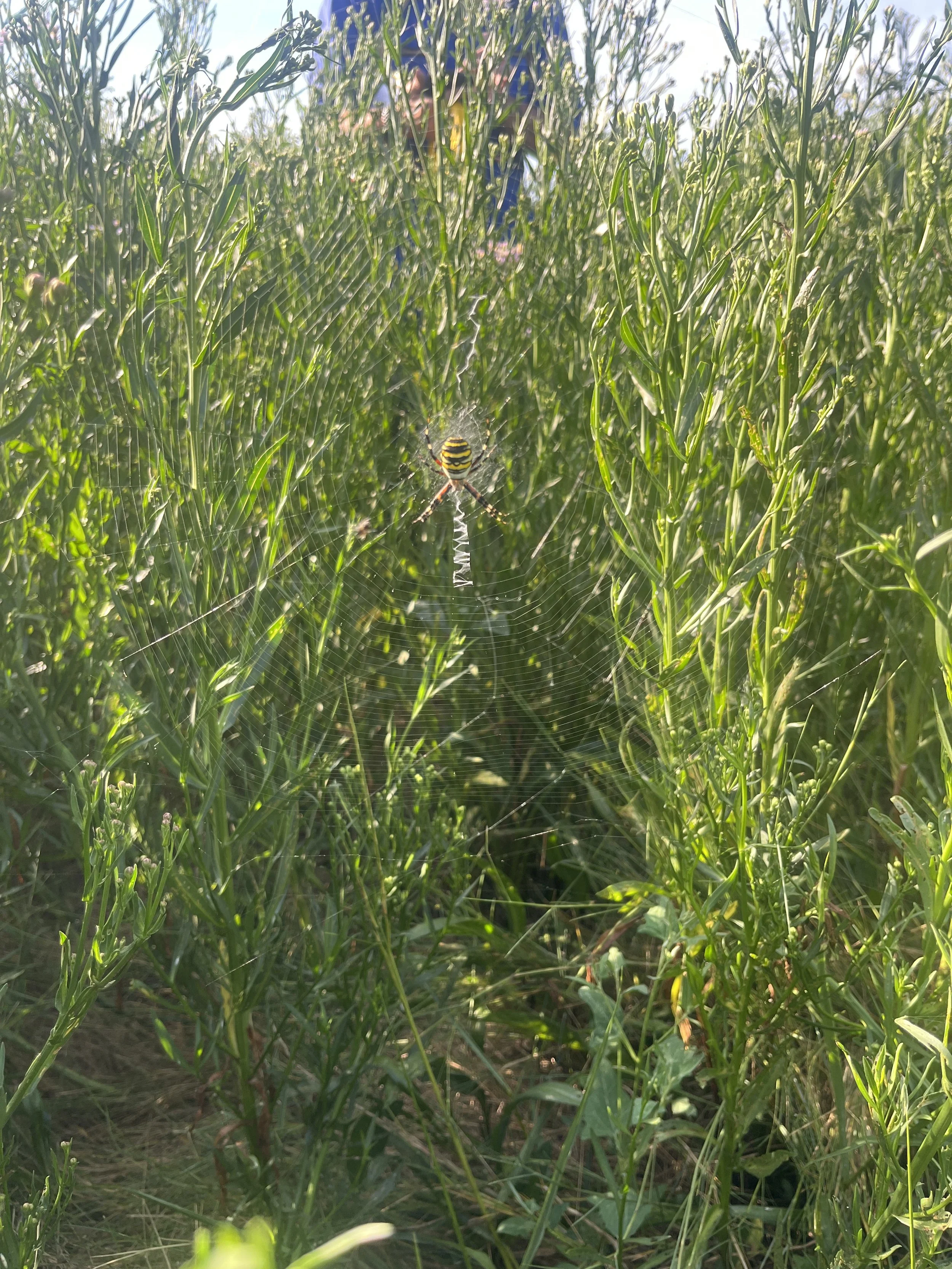
On the pictures you can see some curious cows, horses, beautiful dry Salicornia fields, Spergularia and Glaux maritima flowers and a wasp spider in between the Aster vegetation.
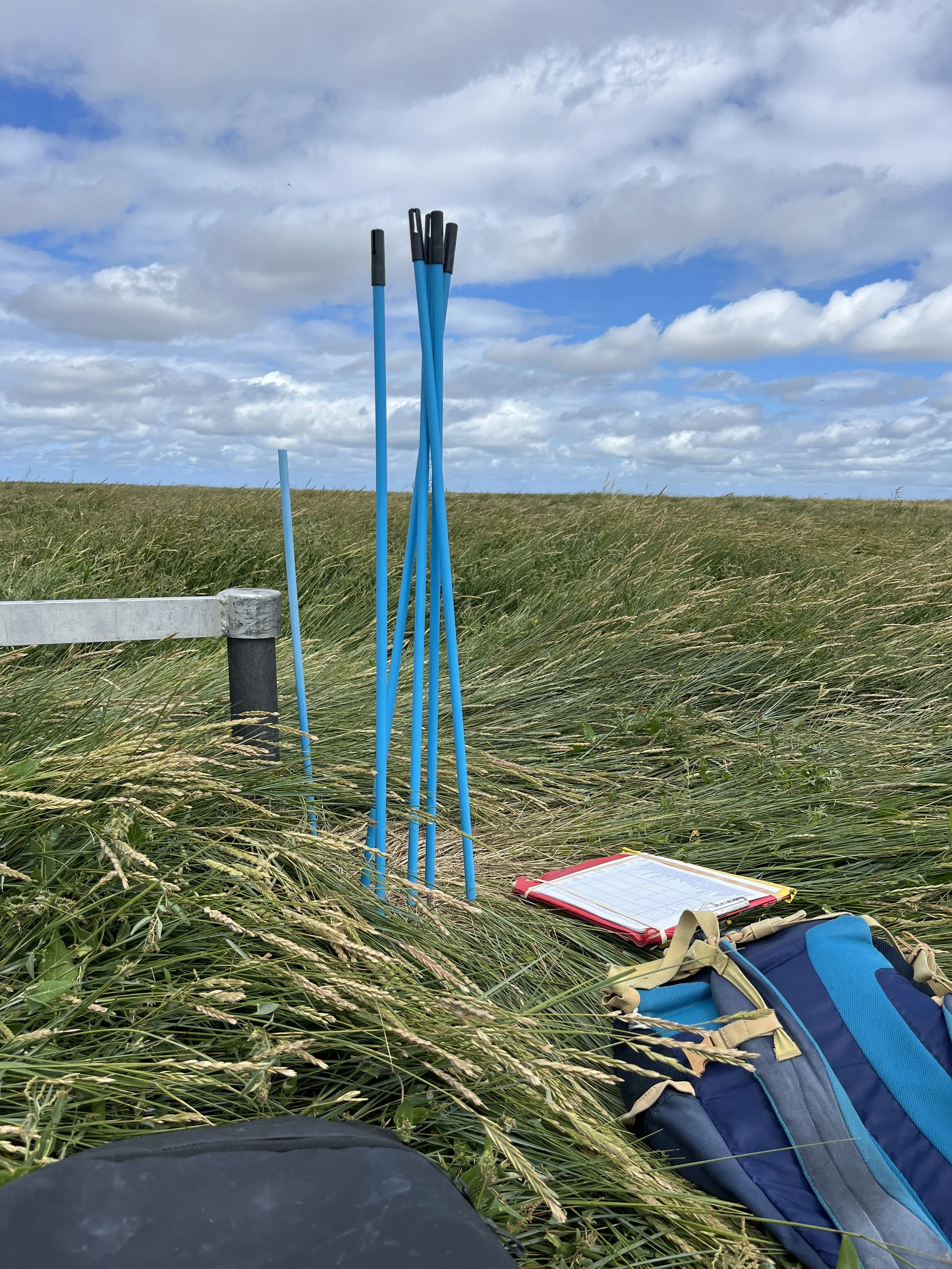
After this, we had fieldwork on the island of Ameland. I brought my daughter and mother to join this fieldtrip and we spend a week together on the island. We used our time to do part of the annual sedimentation monitoring, and to do the start measurements of a new experiment.
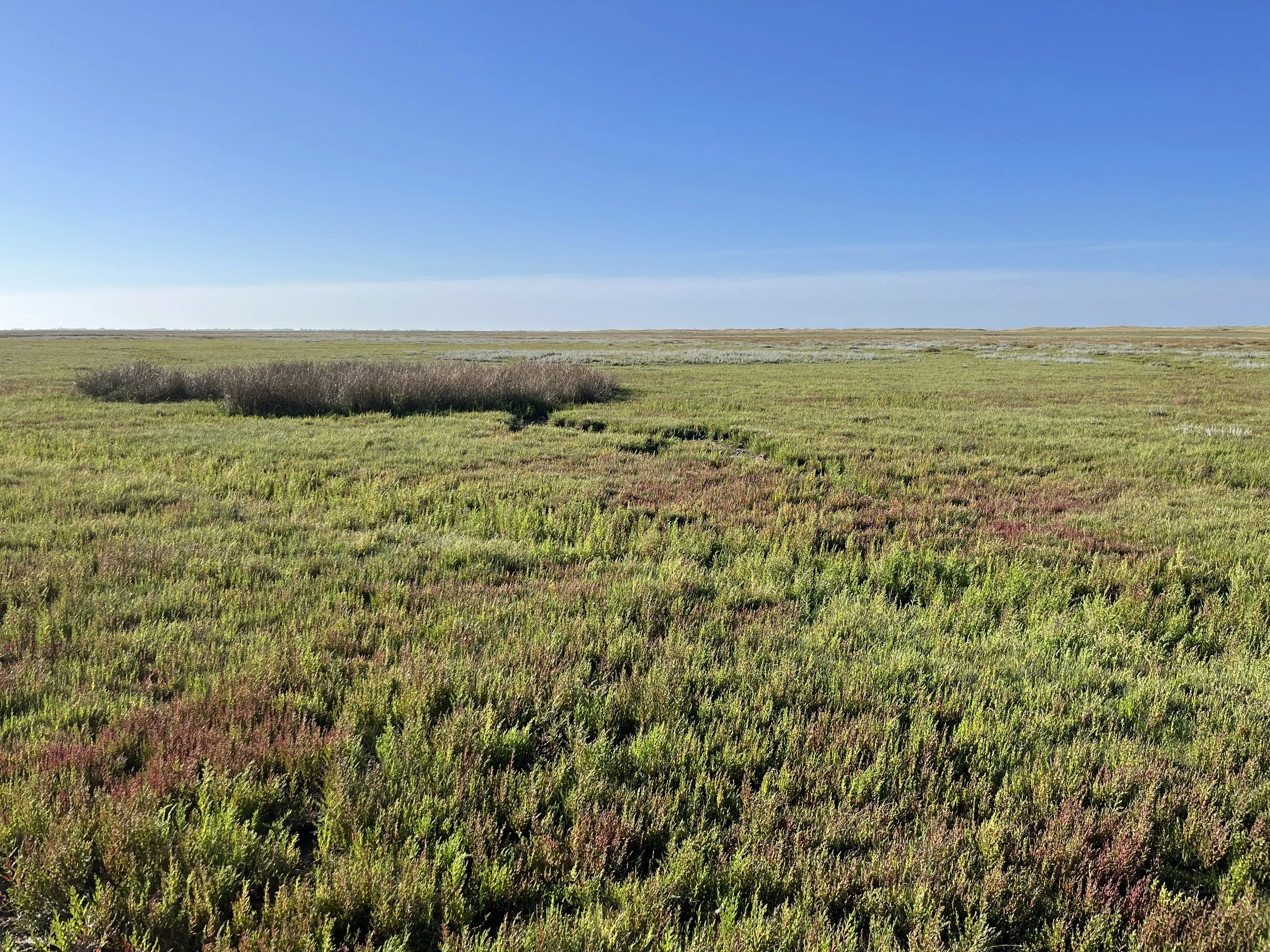
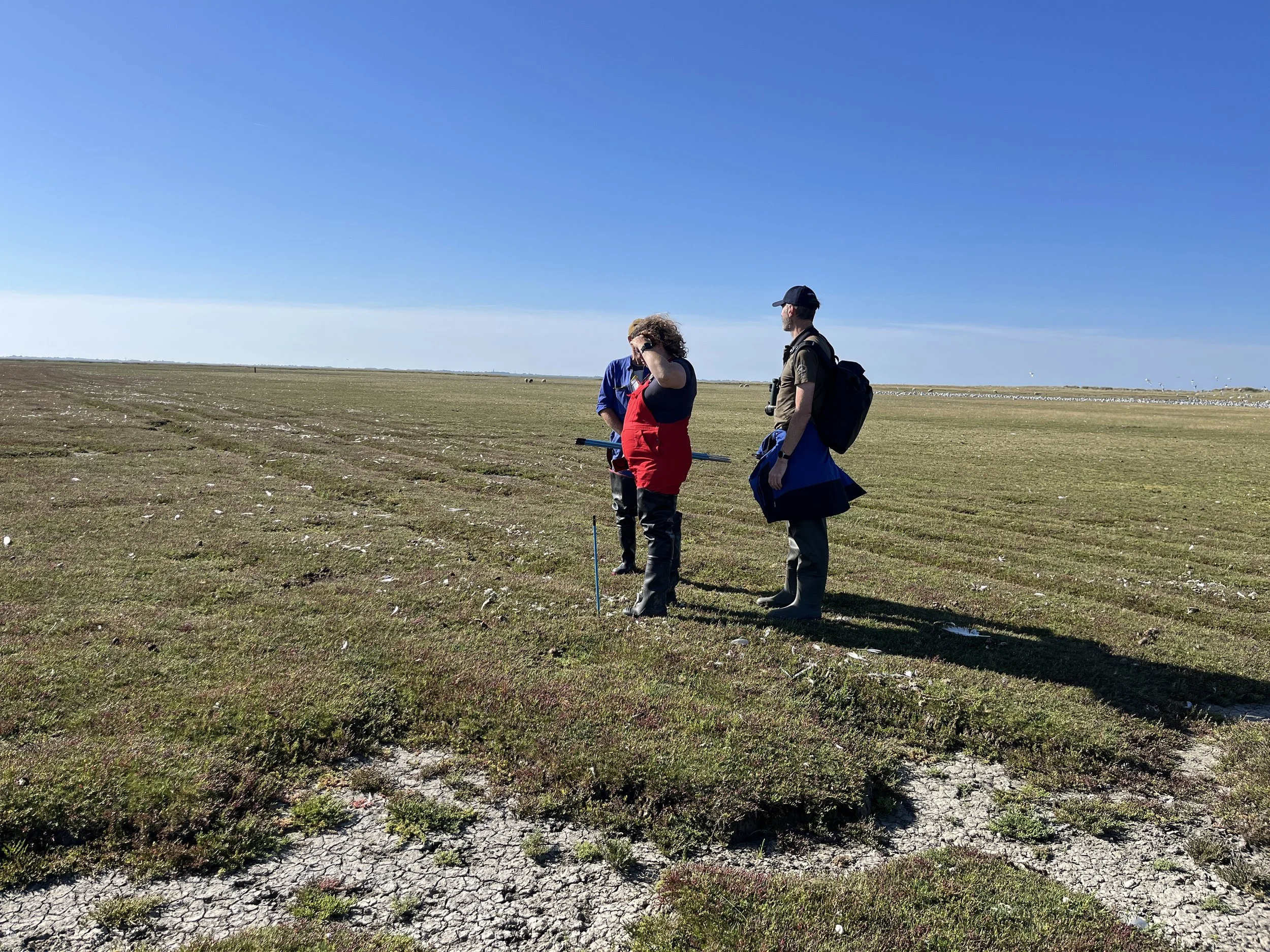
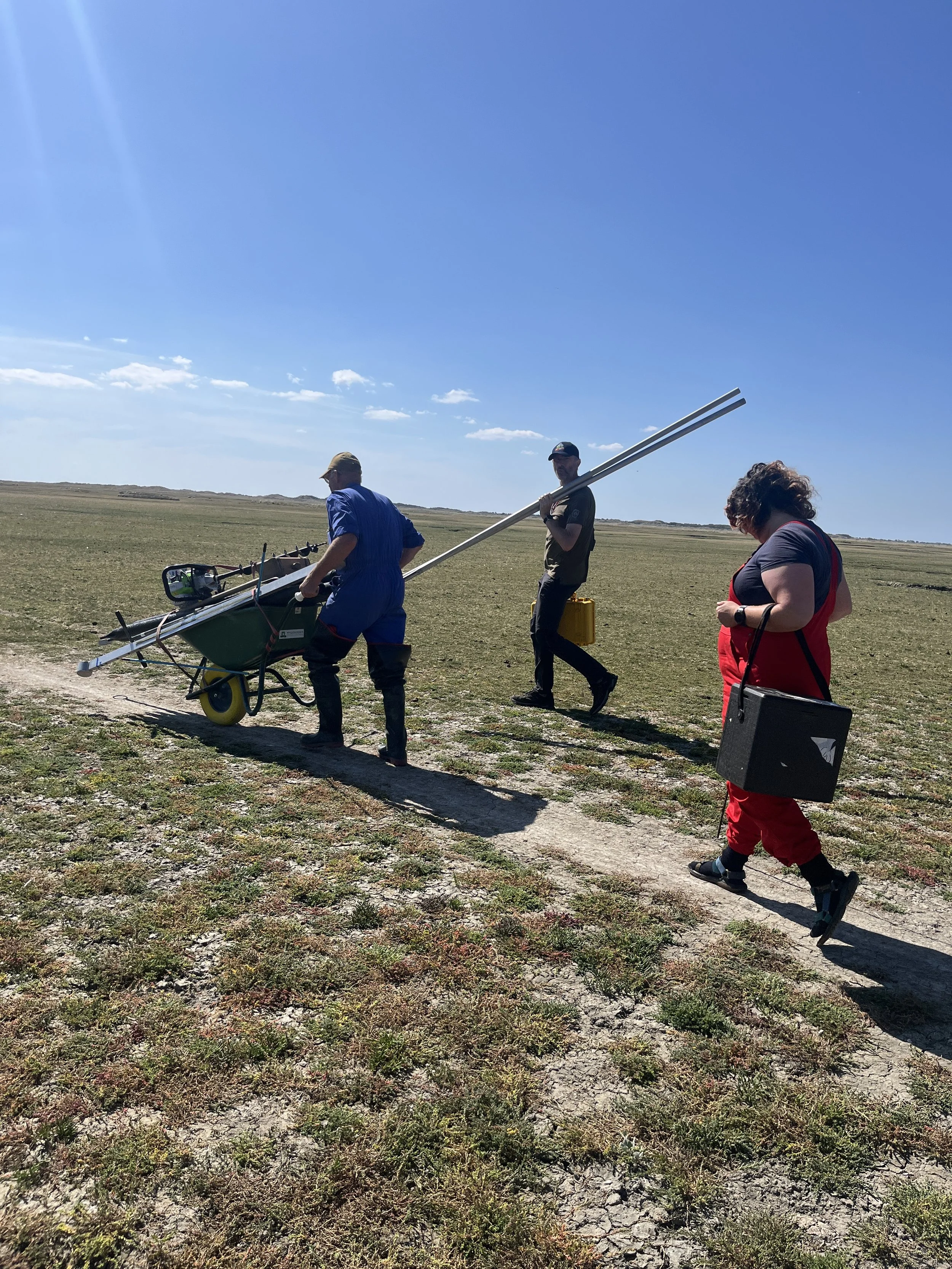
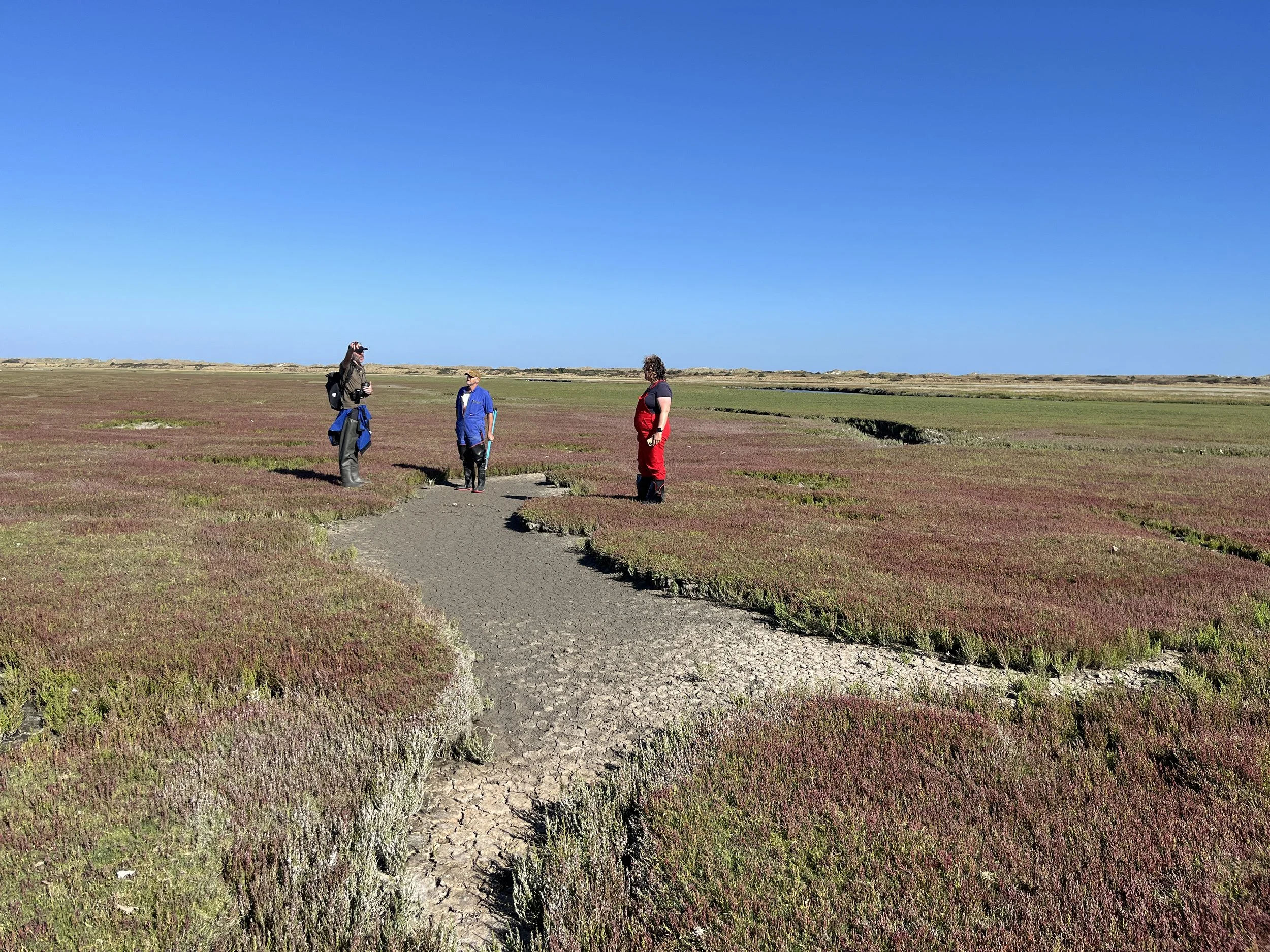
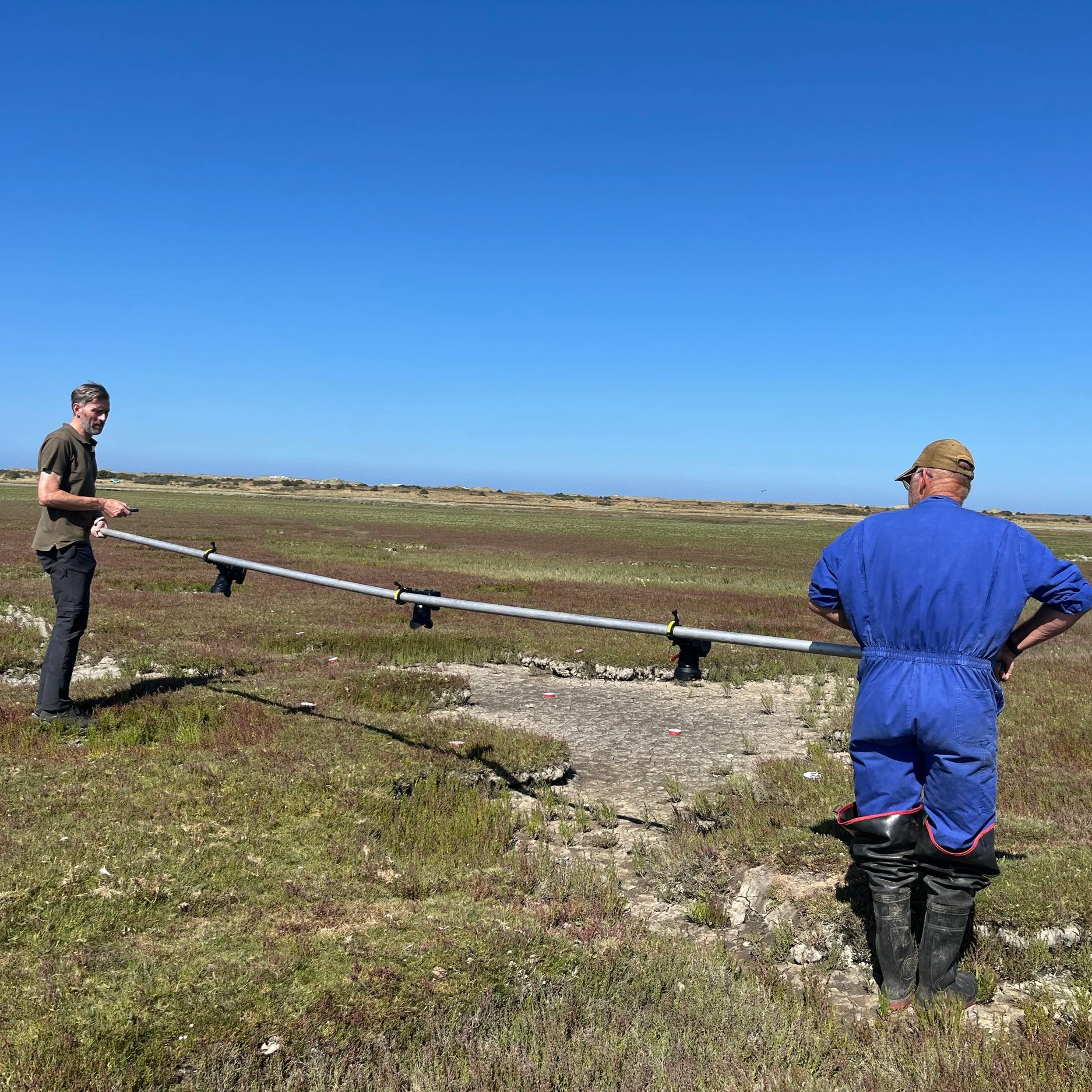
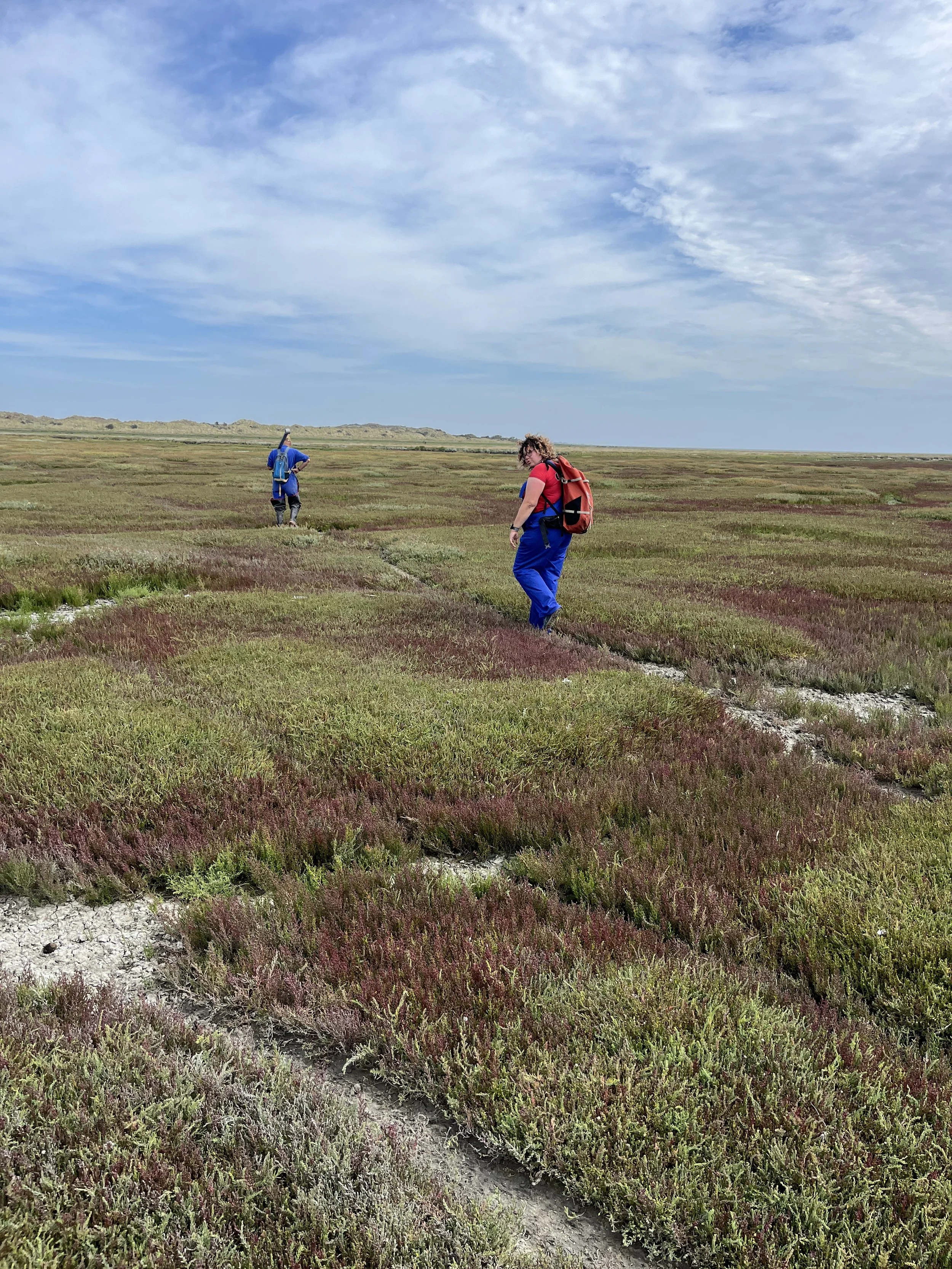
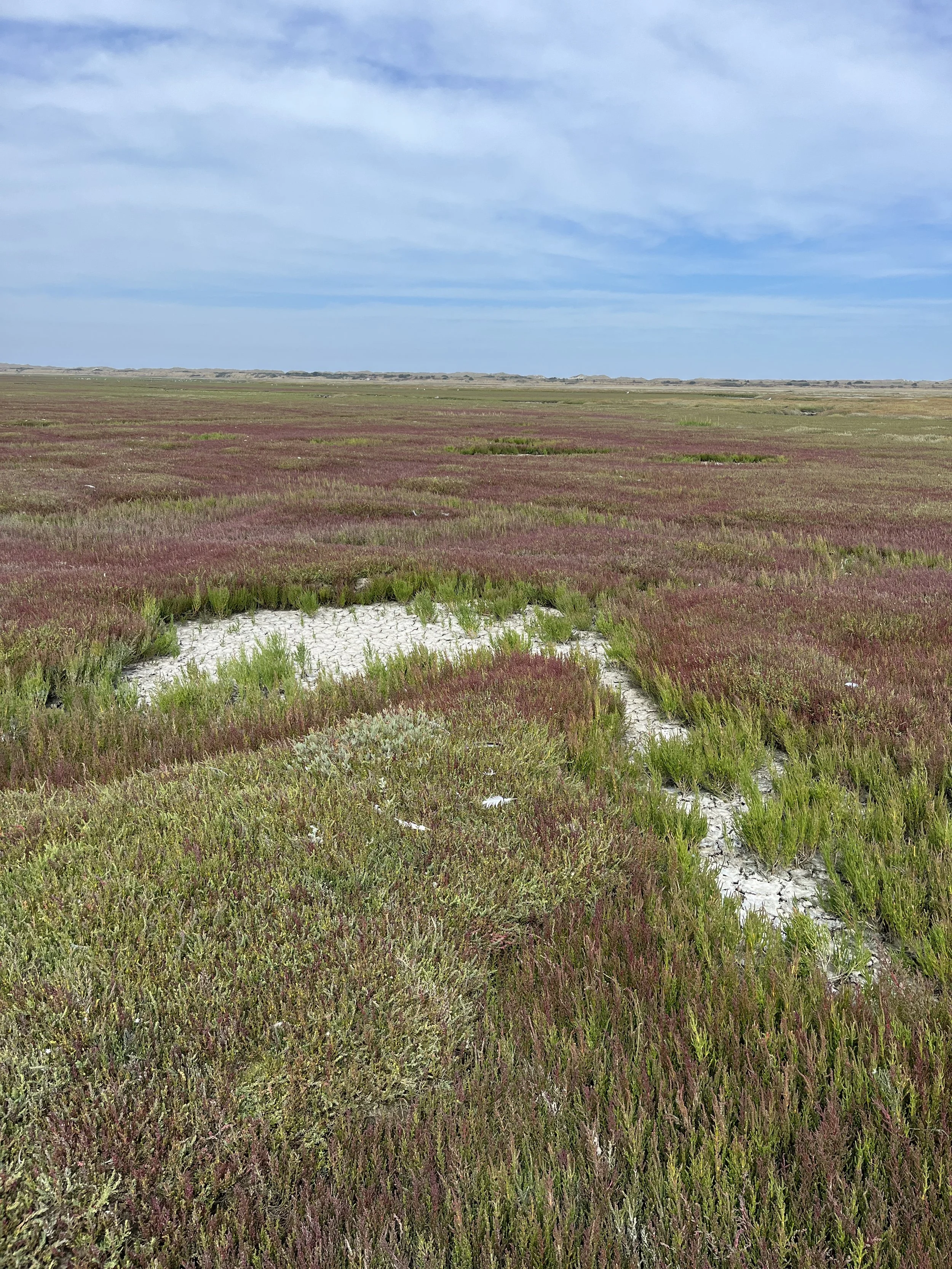
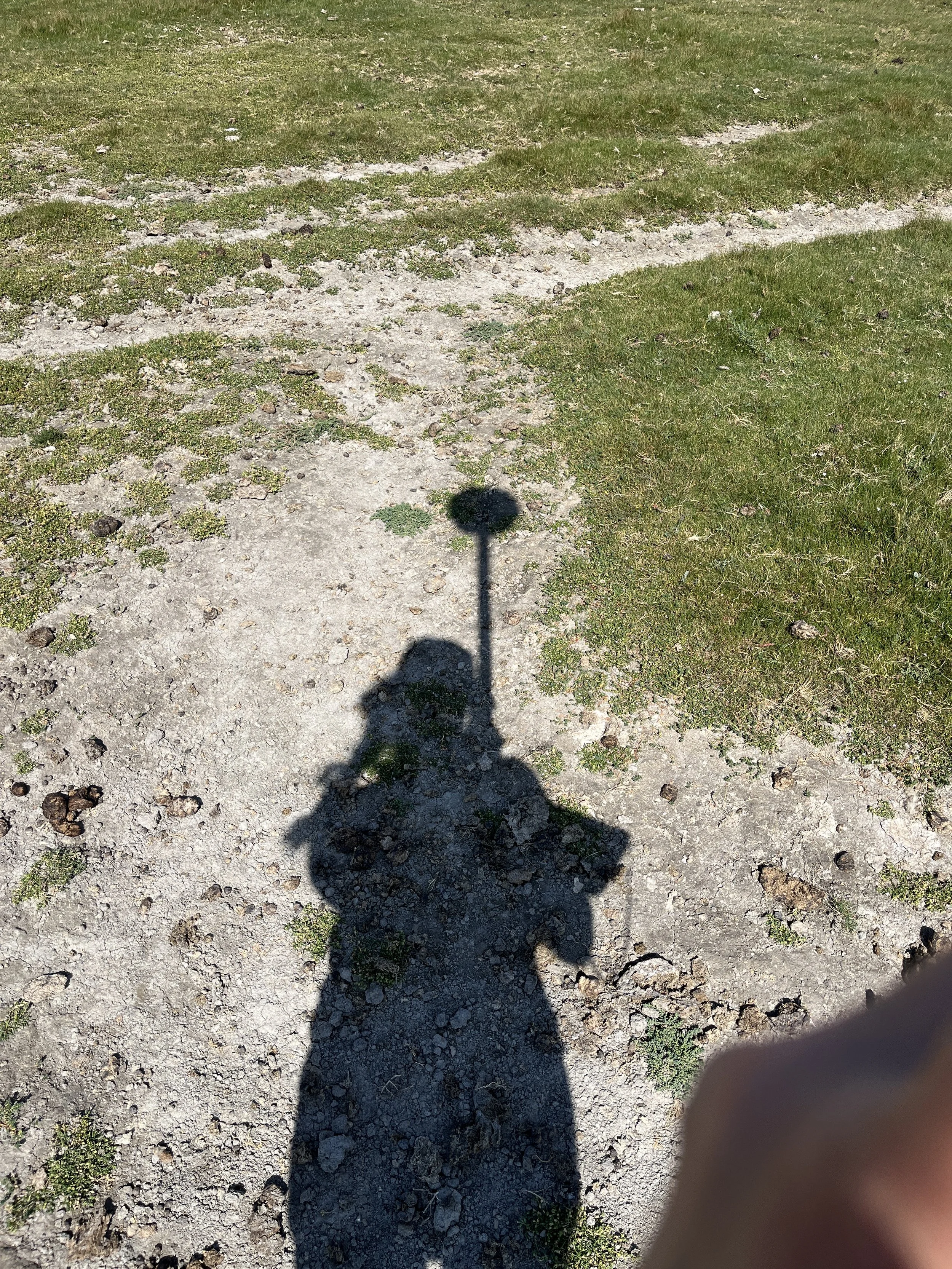
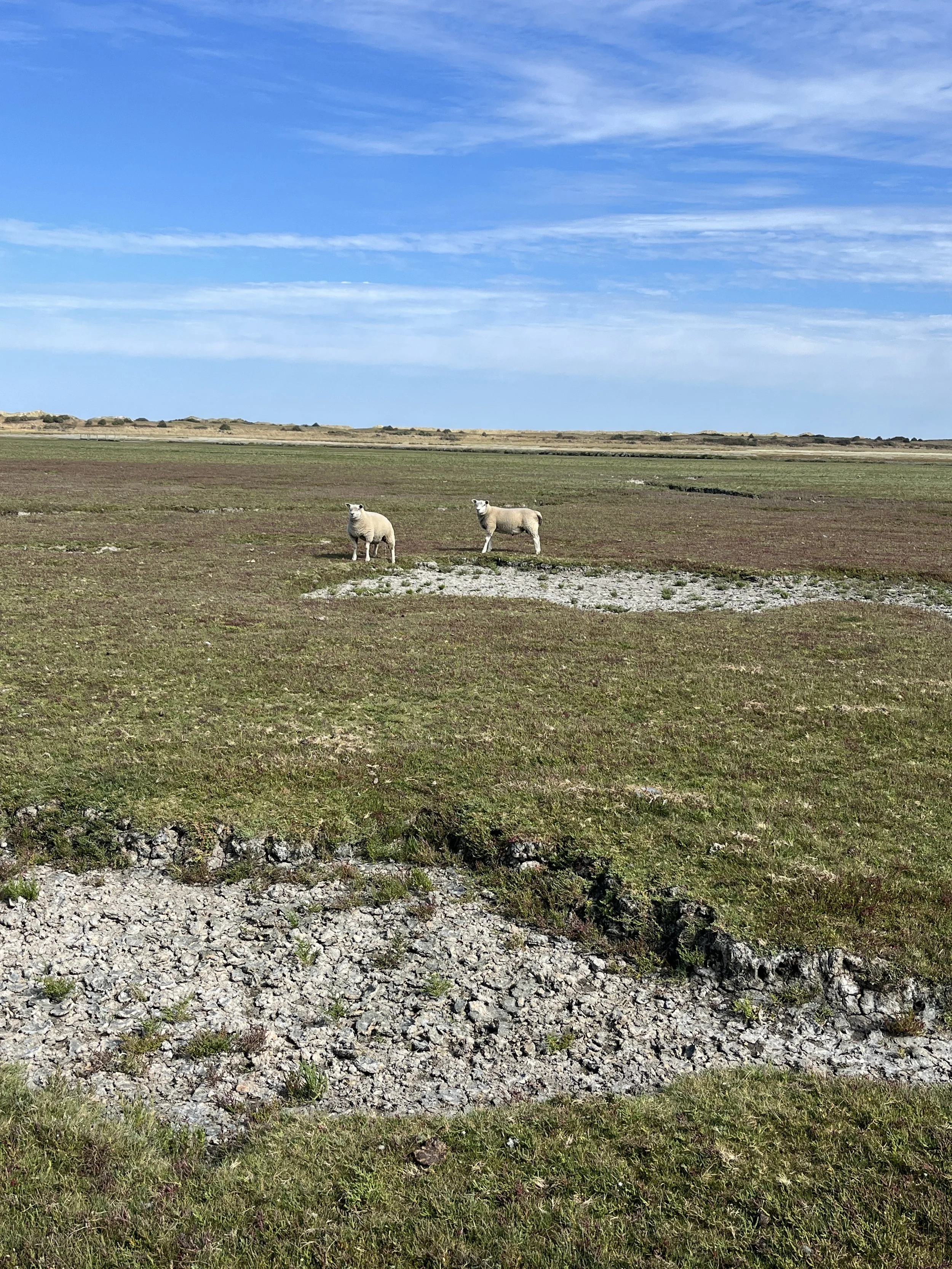
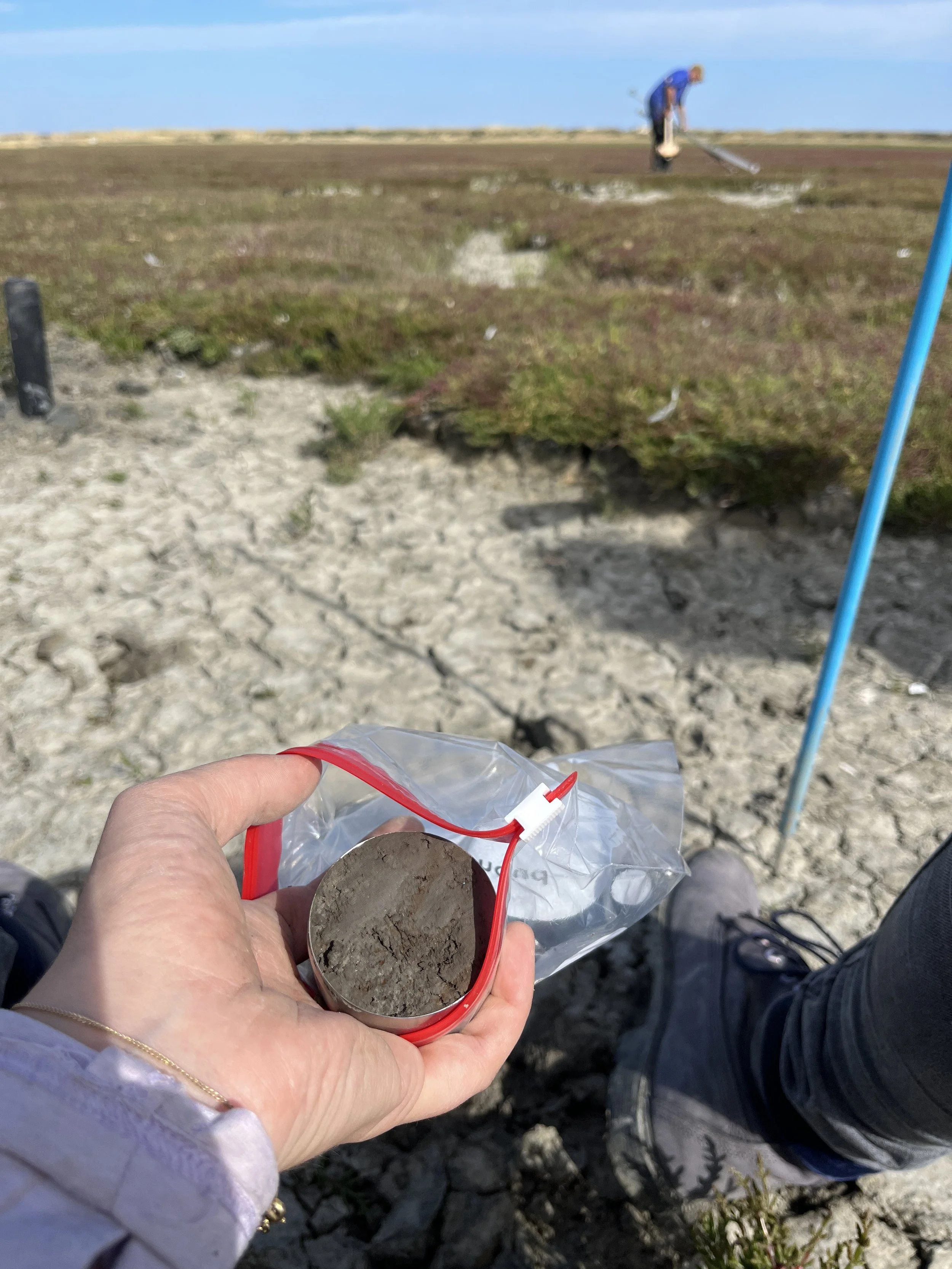
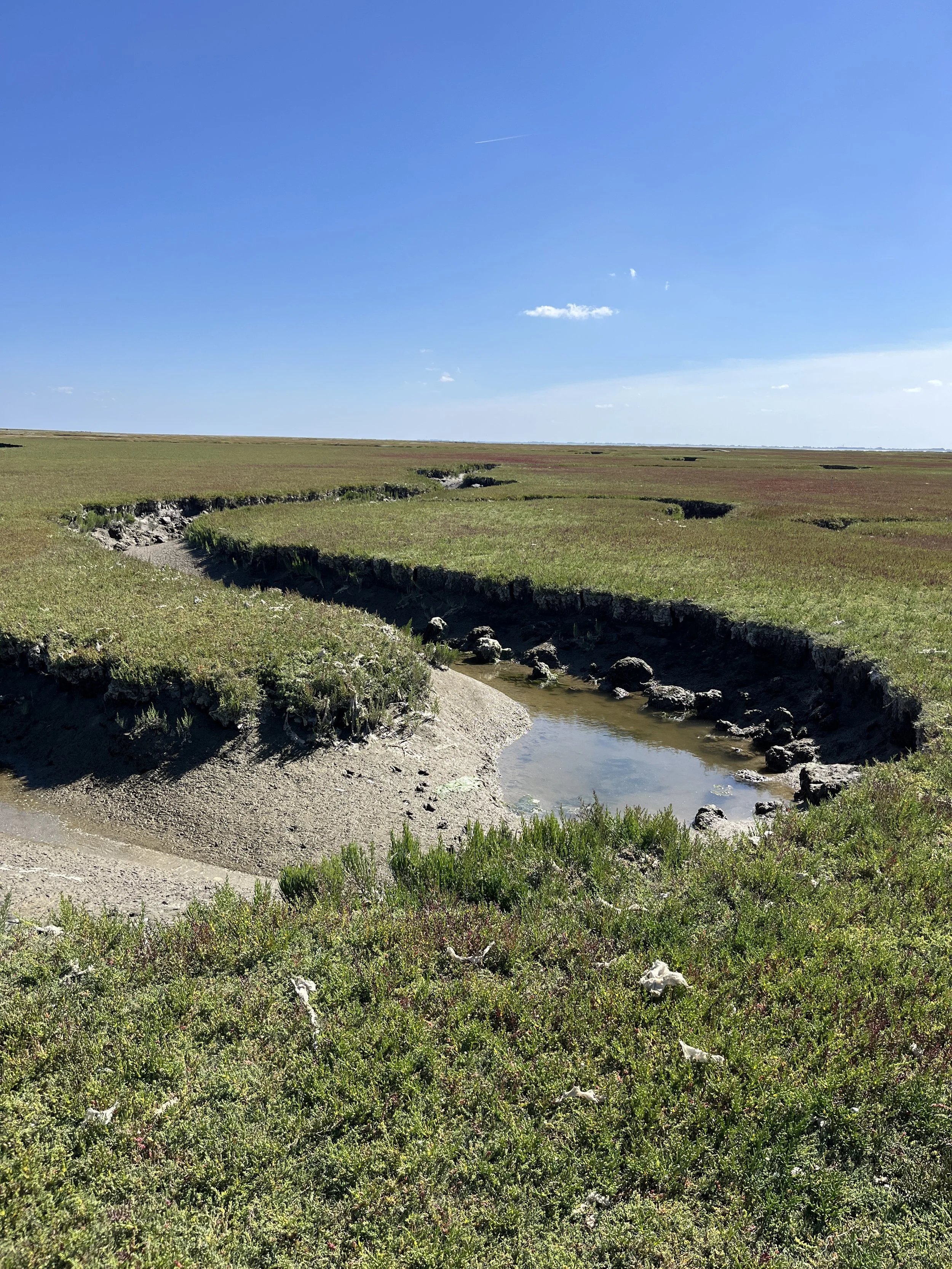
The salt marsh in the grazed part of Ameland is especially vulnerable due to the combination of soil subsidence due to gas extraction and intensive grazing. Bare patches have developed, that do not recover over time. That’s why we will combine a herbivore (both cattle and geese seperated) exclosure experiment with trials to add dredged sediments to these patches to make them level with the surrounding sediment level. For the initial measurements, we made high-resolution pictures, RTK GPS measurements and took soil samples. The experiment will run the coming years.