Nature based solutions: WUR student challenges and National Ocean Science conference
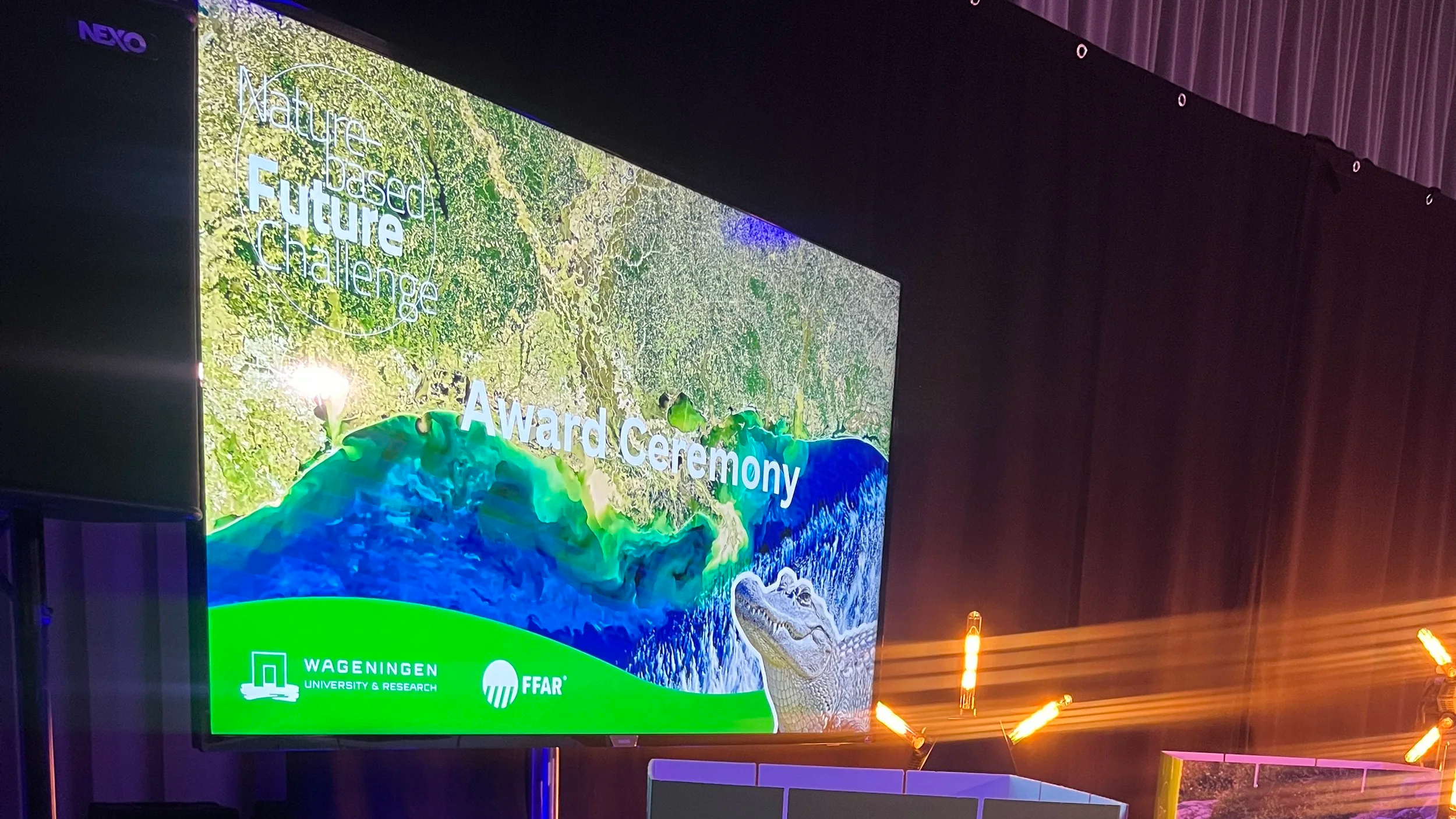
In the first half of June, two events took place focusing on nature-based solutions.
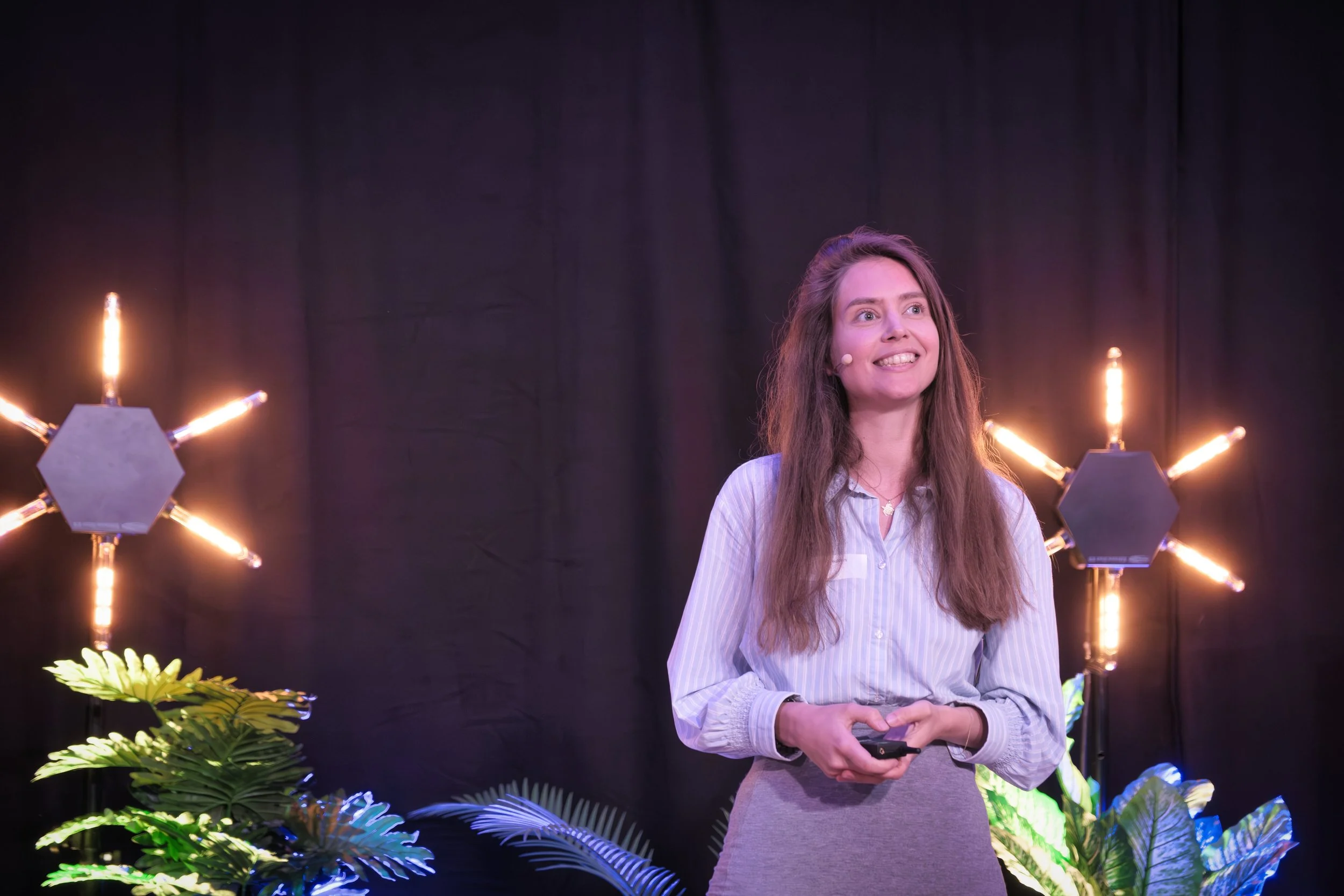
First, I was invited to speak at the final of the Wageningen University student challenges. In total, 561 students from 59 countries across six continents joined this programme, developing nature-based strategies for the Mississippi River Delta, a region facing rapid land loss, sea level rise and increasing storm risks within interdisciplinary teams. 11 finalist teams were selected to present their visions at the Grand Finals in short pitches, including adaptive coastlines, involving fisheries communities and restoring habitat-forming communities. Impressive and inspiring work!
Next, I presented our latest research into best practices for salt marsh restoration using dredged material. This links to our report that is out now. We found that adding a thin layer of about 10-15 cm results in optimal long-term ecosystem health in terms of vegetation, bird, fish and insect diversity. Nature-based dredging is a promising method to enhance salt marsh resilience, but it is important to fully understand sediment budgets, wave and wind as well as stakeholder dynamics at the target areas.
Then last week, I participated in the nature-based solutions workshop (organized by Jim van Belzen and others) at the National Ocean Science Conference organized by NIOZ at Den Helder. Here, we discussed our vision what the most pressing limitations are regarding implementing nature-based solutions. Governance and public opinions came out as important factors to take into account, as well as the need for scientists to decide on solutions even when there is still some uncertainty about the outcome.
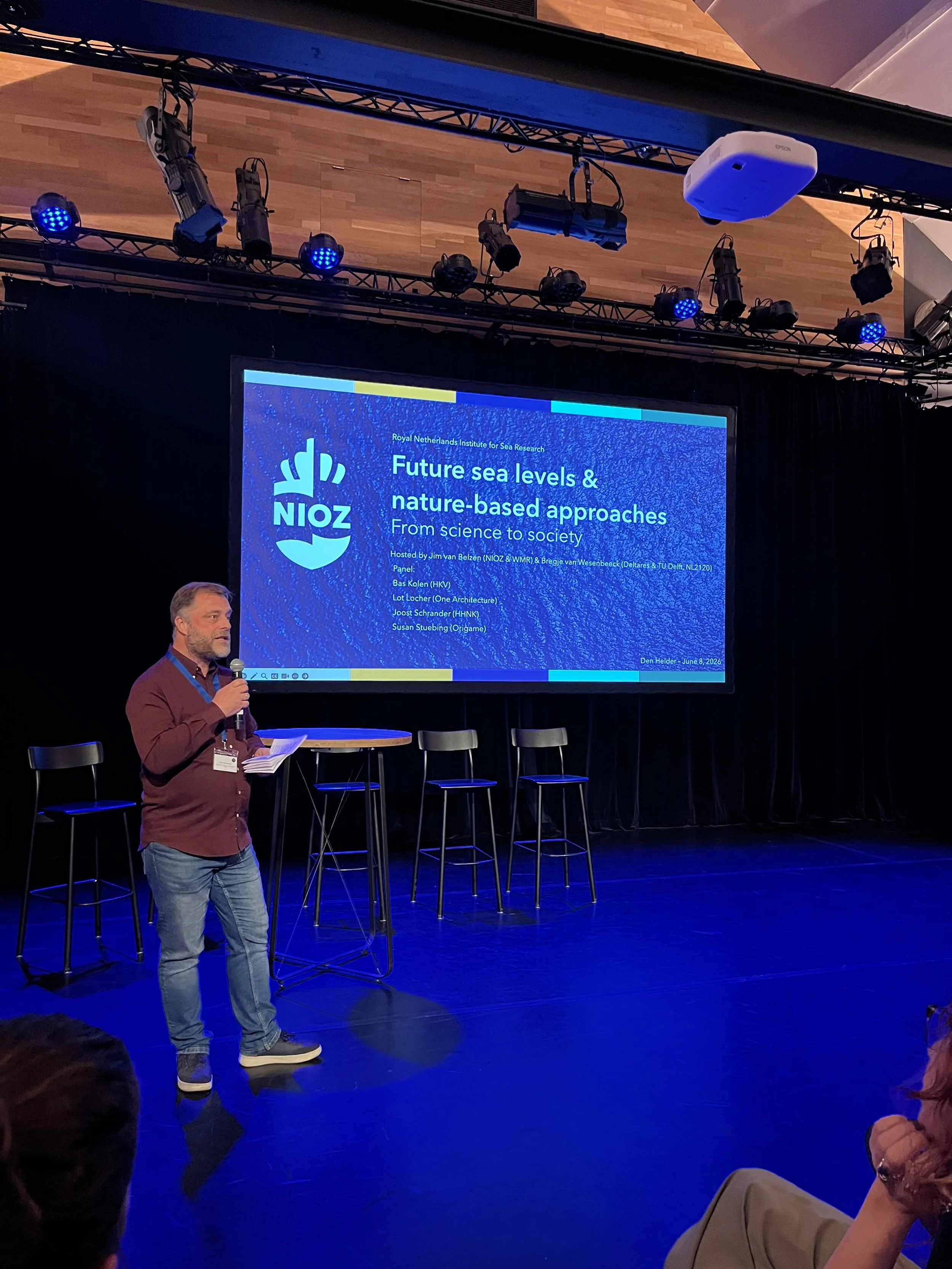
Jim van Belzen, workshop convener